Building a community through music - Interview with Stephanie Childress
Stephanie Childress, a LEAD! Foundation Conducting Masterclass alumnus from 2020 and 2021, was recently in Helsinki for her debut with the Finnish National Opera and Ballet conducting Verdi’s beloved La Traviata. Stephanie is a Franco-British conductor equally active in opera and symphonic repertoire. She has quickly established herself as one of the most exciting young conductors of her generation, working with leading orchestras and opera companies across Europe and North America. She is represented by HarrisonParrott.
She was kind to take time from her busy schedule to sit down with us and share some important aspects of her career both in the opera houses as in concert halls.
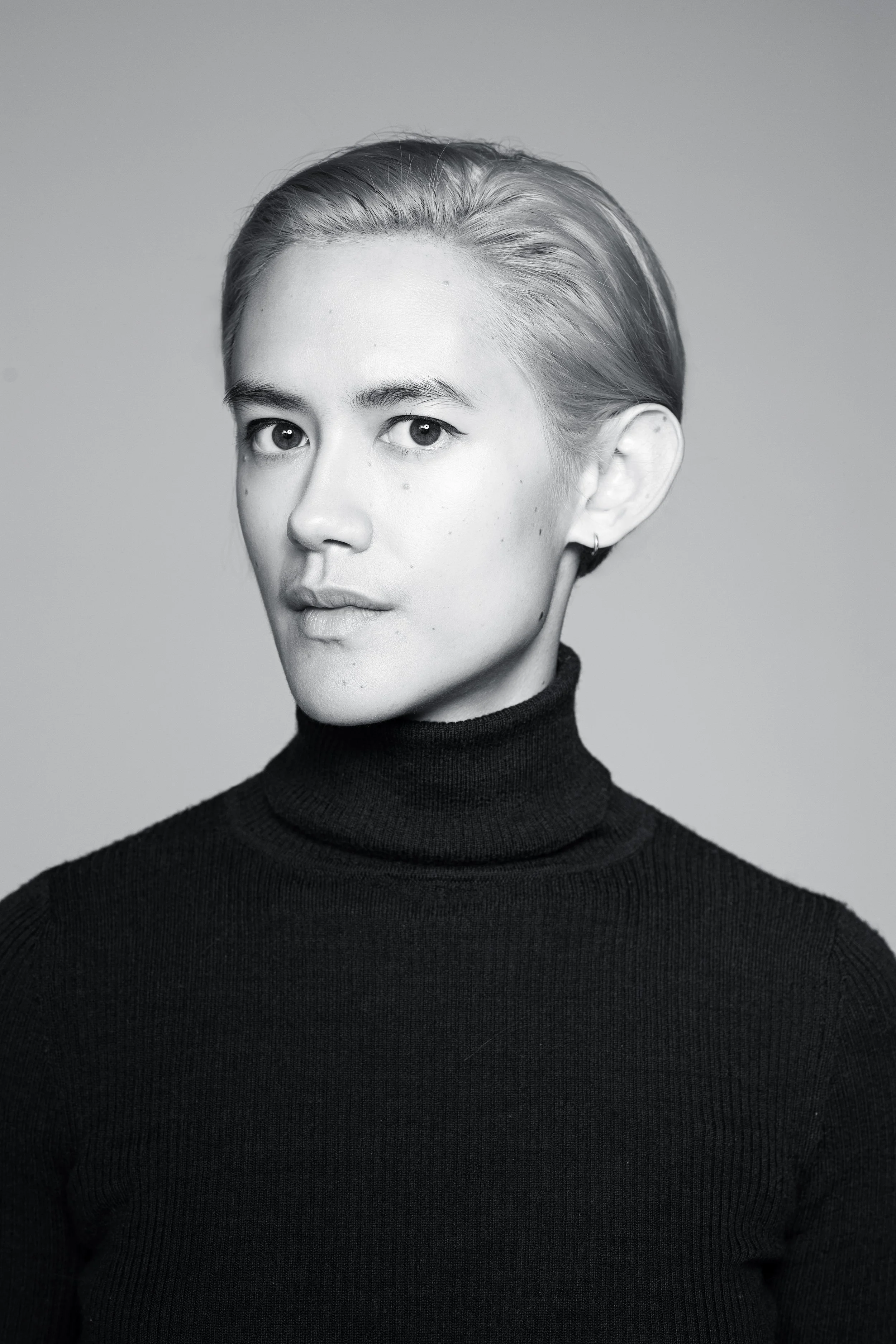
Photo: Karolina Heller
Welcome to the interview, Stephanie! Could you please tell us who you are and what is your relationship with LEAD?
My name is Stephanie Childress. I'm a conductor and I first joined LEAD in its first years in 2020 and 2021 as an active participant. There I got to meet Jukka-Pekka Saraste, Hannu Lintu, Esa-Pekka Salonen and a lot of fantastic mentors and teachers, but also got to work with a fantastic orchestra at a time when there was no music happening anywhere. And I have very fond memories not only of the course, but also of the place of Fiskars itself as a really beautiful, idyllic pocket outside of the city.
You are here for your debut with the Finnish National Opera conducting La Traviata. What is your relationship to opera?
Well, the reason I started conducting was opera. I fell in love with the theater and I fell in love with the voice when I was a teenager. My mother actually used to write me sick notes so I would skip school to go and sit in the English National Opera and watch their stage and orchestra rehearsals during afternoons. So the opera has and always will have a special place in my heart.
Obviously you’ve also done a lot of orchestral repertoire in your career. How does your approach change when you’re jumping from an orchestral setting to an opera production?
I approach them as very different types of projects. What is special about an opera is that you often have more time than three or four rehearsals with an orchestra. And what I love about opera is that I'm building a rapport with people from the rehearsal room. And that's something that you can only do with time. For me it's really being there from the beginning, understanding the way that people work and the way that they need to be supported when they're on stage, and then maybe what the director needs, and what even the stage managers need. It's really a community building process. That’s maybe one of the reasons why I love Mozart and why I’ve done so much Mozart. Of course it’s wonderful music but his operas especially have this way of bringing people together after an argument or another dramatic event.
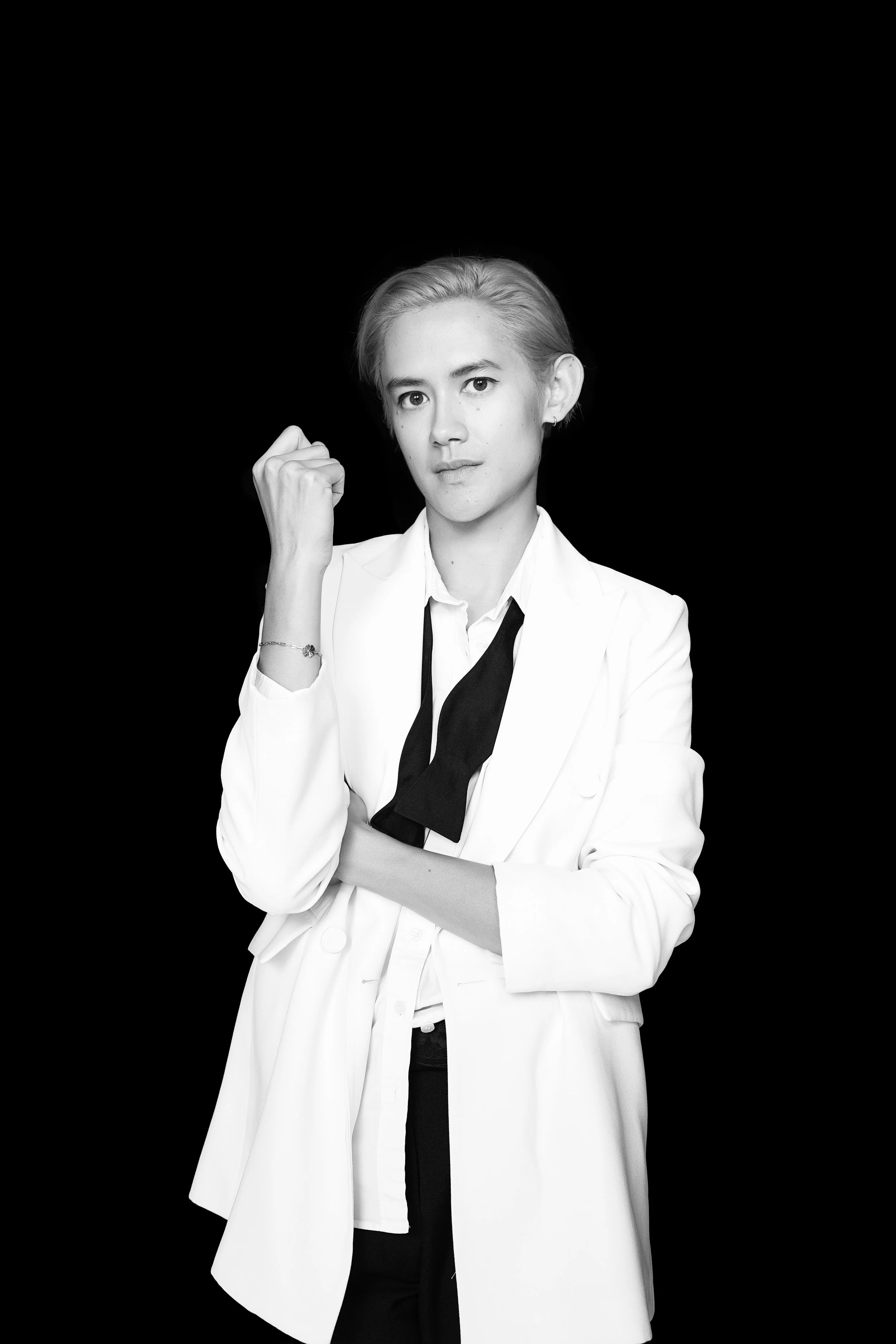
“What I love about opera is that I'm building a rapport with people from the rehearsal room. And that's something that you can only do with time.”
Looking back, was there a specific moment when conducting shifted from an interest to a calling?
I think it happened gradually. Because of my background as a violinist, I naturally gravitated towards symphonic repertoire because I was playing in a lot of youth orchestras when I was young. I'd never thought about being a musician at all. I was playing the violin very seriously, but for me it was just a serious hobby. But then I discovered opera and I would see these productions of Billy Budd, Der Rosenkavalier and Death in Venice in the English National Opera. And I think every time this wave of emotion and this beautiful synthesis between music and words hit me. But that was the moment when I thought: not only do I want to be a musician but I want to eventually become a conductor.
You are currently the Principal Guest Conductor of The Barcelona Symphony Orchestra and you have a busy schedule conducting opera and orchestra concerts all over the world. How do you cope with that amount of work?
If I’m happy, it’s easy. The more I do this job, the more I realize the stress is always going to be there. And it of course helps that I love music, but for me it’s like a relationship that needs constant feeding and cultivating. I've learned that about myself in the last few years, and that's what I focus on.
Do you balance the stress with hobbies?
My friends keep telling me that I need hobbies. In my spare time I run a lot, I read a lot and I'm trying to learn German and Italian. Maybe one day I'll start knitting or something. I think that'd be quite nice actually, doing something that's physical and repetitive.
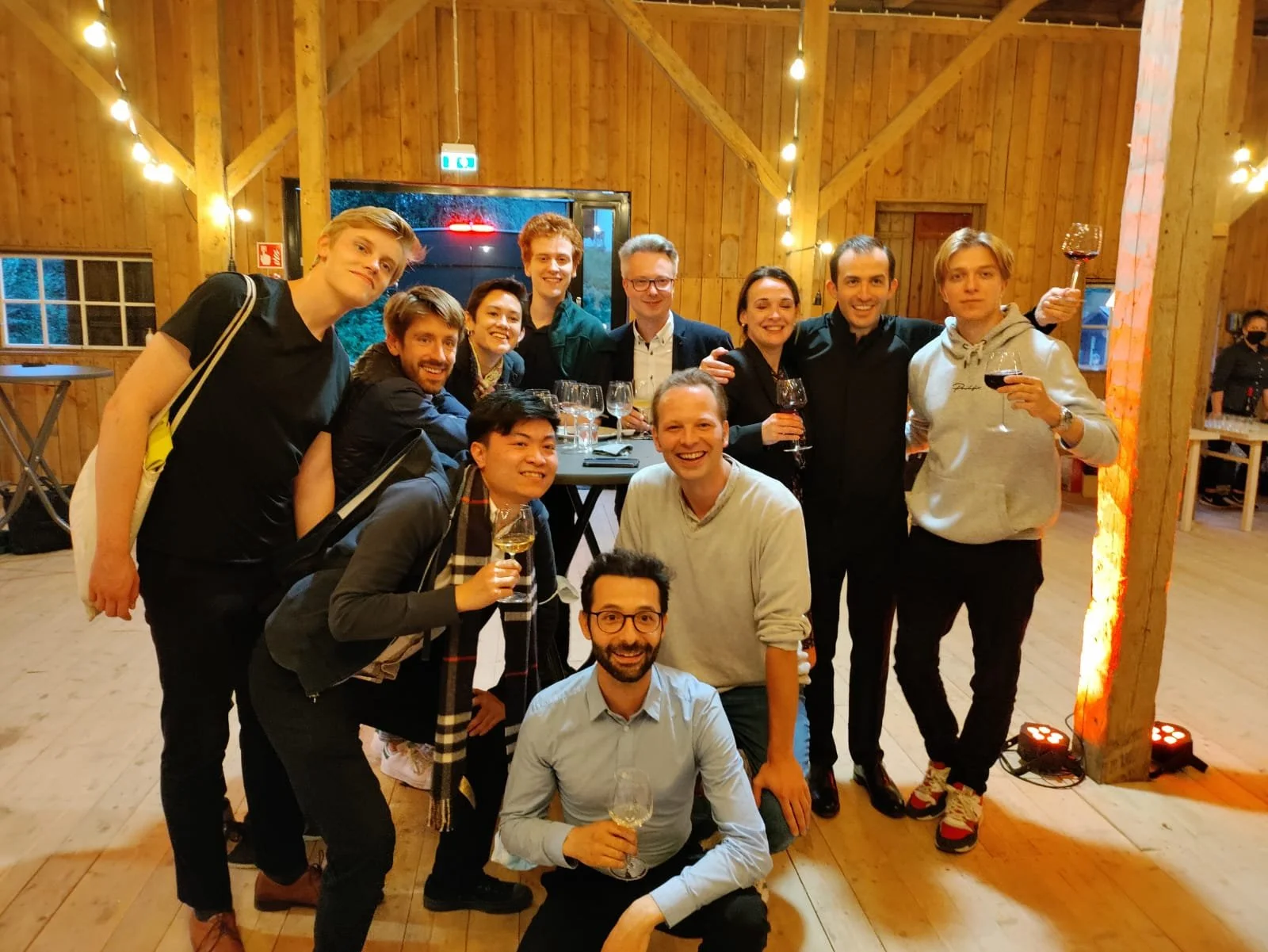
Conducting students of the Fiskars Summer Festival 2020
Coming back to your debut with the Finnish National Opera: do you think there are cultural differences between different orchestras? Do for example Finnish orchestras have a specific sound or personality?
I think every ensemble has a very individual personality. But what I found in Finland is that as a society you are not very hierarchical. Whereas where I come from in the UK, even now in 2026, I find it's a very hierarchical society. And I like that people can be professional, but they will also challenge if they don't agree. I love when people just come up to me and say, "Hey, can we talk about this passage and why it’s not working?" And they will give me their opinion, and that also means that I can be very free with what I ask of the musicians. I can be very honest, which I love. I come from a culture where people can sometimes be a bit too diplomatic, I think. But here people are very honest, and I feel that in their playing and in rehearsals, as well. That makes a big difference.
I’m happy to hear that. Now, let’s circle back to your experiences with LEAD! How did your relationship with LEAD! start?
The first time I met with Jukka-Pekka was in Trondheim in 2019; there was a conducting masterclass with him and Johannes Gustavsson. And later I received an email about LEAD! Conductor’s Masterclass, which I thought looked interesting and I really enjoyed working with Jukka-Pekka. So I talked about it with my friend Kristian Sallinen, we both ended up applying and were accepted.
And it was a very emotional and difficult time for a lot of people, because we were just at the start of COVID. And I remember coming to Helsinki and I had to quarantine for 7 days in a hotel before I could join. And then to come to Fiskars, where things had opened up quite a bit. And I remember just sitting in a cafe for the first time in 6 months with people around. And to hear live music for the first time in 6 months was very emotional. So that first year was just incredible. And in 2021 when I came back I met Hannu [Lintu] for the first time, and he has become a real mentor to me. I remember some really important conversations that I had with him about conducting and about life. And I think that's one of the things I like the most about LEAD; you have time and you spend time with excellent musicians, and you can have proper exchanges with them. You meet some really amazing people.

“You can think about conducting as much as you want, but if you don't physically do it and have these physical sensations and see the orchestra's response, you can't learn.”
Do you think programmes like these are important for the next generation of conductors?
I do. And not only for conductors but for everyone involved in the organisation. As a young conductor the most important thing you need is experience. And you can think about conducting as much as you want, but if you don't physically do it and have these physical sensations and see the orchestra's response, you can't learn. I never joined a conducting class or have never had a conducting professor, but I learned everything through masterclasses. So I wouldn't be here without having had these experiences, because that's basically the only pedagogical input I really had.
What advice would you give to other young musicians who aspire to perform professionally?
Don't do it for an international career. This is going to sound corny, but it's the journey and not the destination. It's easy in this day and age to look around and be focused on the wrong things. Do it because you want to connect with people, not because you want to tell them how Shostakovich’s 5th Symphony should go. And stay open-minded because you’ll never know where your career will take you.
